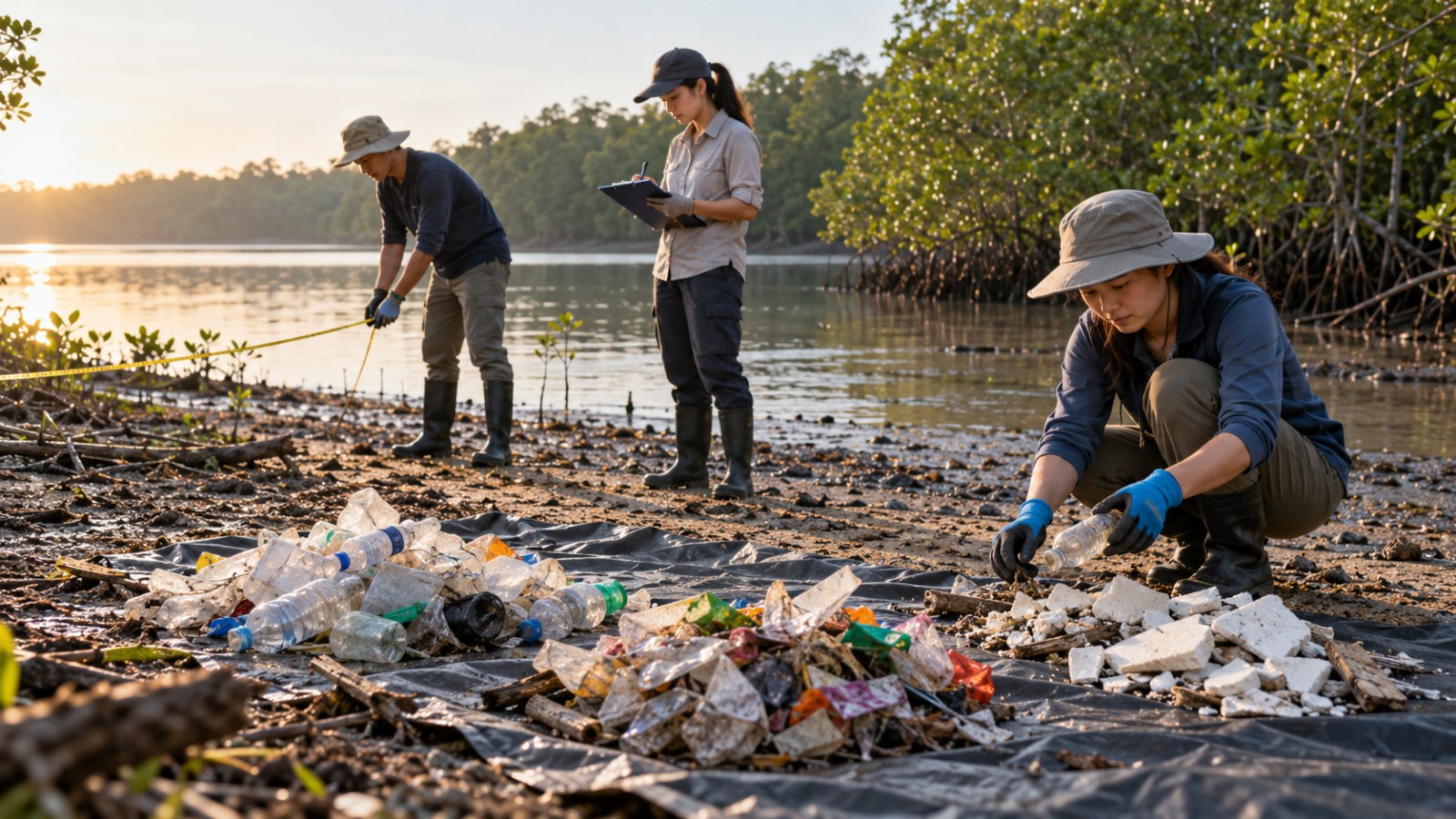
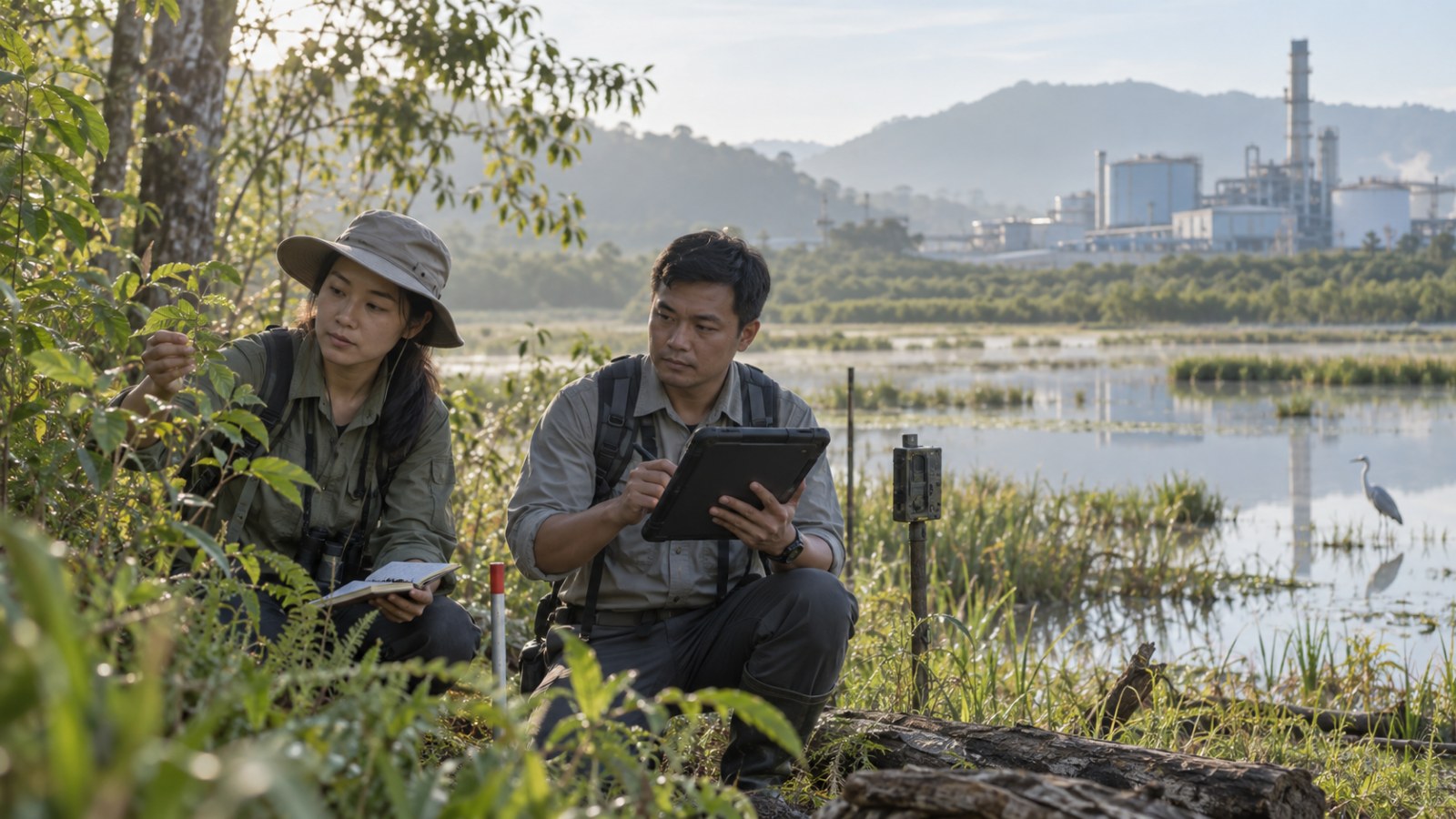
A factory reduces pesticide use around one site. A property developer creates a wetland habitat. A plantation restores a riparian corridor. A hotel group funds mangrove rehabilitation. All four initiatives may be useful, but none of those activities alone proves that biodiversity has improved.
This is one reason nature-related corporate claims are difficult to measure. Carbon accounting can ultimately express different greenhouse gases through a common accounting unit. Biodiversity cannot be reduced so easily to one universal corporate number. Species, habitats, ecosystem condition, water systems and ecological pressures vary enormously by location.
For businesses in Asia, the practical question is therefore not simply whether the company has a biodiversity programme. It is whether management can show what changed in nature, where it changed, compared with what baseline, over what period and using what evidence.
Why Biodiversity Is Becoming a Business Measurement Issue
Biodiversity is no longer only a conservation department’s concern. Companies depend on ecosystem services including water availability, soil productivity, pollination, flood regulation and other natural processes, while their operations and value chains can also place pressure on ecosystems.
The Kunming-Montreal Global Biodiversity Framework makes this business connection explicit. Its Target 15 calls for measures that encourage and enable businesses, particularly large and transnational companies and financial institutions, to monitor, assess and transparently disclose their biodiversity-related risks, dependencies and impacts.
The Taskforce on Nature-related Financial Disclosures approaches the same challenge through nature-related dependencies, impacts, risks and opportunities. Its LEAP approach begins with location because the environmental significance of an activity depends heavily on where it occurs.
This location-specific characteristic is critical. Using the same quantity of water, clearing the same area of land or generating the same amount of discharge can have very different ecological consequences in two different places.
Start With Dependencies and Impacts, Not a Biodiversity Slogan
A company trying to understand biodiversity performance should first separate two questions.
What does the business depend on?
A food producer may depend on fertile soil, freshwater and pollination. A tourism operator may depend on beaches, coral reefs, forests or wildlife. A manufacturer may depend indirectly on natural resources embedded in raw materials supplied from other countries.
How does the business affect nature?
Potential pressures can include land conversion, water extraction, pollution, resource extraction, disturbance, invasive species or activities elsewhere in the value chain.
These questions prevent a common measurement mistake: concentrating on highly visible conservation projects while ignoring more significant environmental dependencies or pressures created by core operations.
A biodiversity strategy therefore needs to connect environmental activity to material business locations, products, sourcing relationships and operational decisions.
The Nature Evidence Ladder
A useful way to evaluate a corporate biodiversity claim is to separate five levels of evidence. Moving higher on the ladder requires stronger measurement.
| Level | What Is Measured | Example | What It Can Demonstrate |
|---|---|---|---|
| 1. Activity | What the organisation did | Habitat restored, trees planted, conservation funding provided | Implementation |
| 2. Pressure | Whether a harmful pressure changed | Reduced land disturbance, pollution or water extraction | Reduction of a defined environmental pressure |
| 3. Habitat condition | Whether ecological condition changed | Vegetation structure, habitat quality or wetland condition | Change at the ecosystem level |
| 4. Biodiversity outcome | Changes relevant to species or ecosystem integrity | Species presence, abundance or ecological indicators | Evidence of biological outcome |
| 5. Sustained result | Whether improvement continues over time | Repeated monitoring using a consistent method | Evidence that an outcome is not temporary |
The important distinction is that the lower levels are not useless. An activity metric may be exactly what a business needs operationally. The problem begins when evidence from one level is used to make a claim belonging to a higher level.
For example, hectares planted measure the scale of an intervention. They do not, by themselves, establish that biodiversity increased.
Establish a Baseline Before Claiming Improvement
Improvement requires a reference point.
A biodiversity baseline should describe relevant conditions before an intervention or at a clearly defined starting date. Depending on the project, this may involve habitat extent, habitat condition, species observations, water characteristics, land use, ecological pressures or other appropriate indicators.
Without a baseline, a company may be able to demonstrate that an activity occurred but struggle to demonstrate what environmental difference the activity produced.
The baseline should also match the claim. A company claiming improvement in habitat condition needs evidence about habitat condition. A company describing reduced pressure on a river needs information relevant to that pressure. Counting volunteers would not answer either question.
Choose Metrics That Match the Environmental Question
There is no single biodiversity KPI suitable for every business.
TNFD itself recognises this measurement challenge. Its metrics guidance includes nature-related impact drivers while also recognising the importance of ecosystem condition and species-related measures. SBTN similarly approaches biodiversity through the underlying pressures affecting nature and place-specific targets rather than treating biodiversity as one simple standalone metric.
Businesses can therefore organise their measurement around several categories:
- Extent: the area of habitat affected, protected, restored or managed.
- Condition: indicators showing the quality or ecological condition of that habitat.
- Pressure: pollutants, extraction, disturbance, land conversion or other drivers the company can influence.
- Species: relevant species presence, abundance, distribution or vulnerability where scientifically appropriate.
- Dependencies: ecosystem services upon which operations or supply chains rely.
- Management response: actions taken to avoid, reduce, restore or otherwise address identified impacts.
A company does not need every possible indicator. It needs indicators that are relevant to the ecosystem, business activity, material pressure and claim being made.
Location Can Matter More Than the Corporate Average
Corporate averages can conceal environmental differences between sites.
A property portfolio may include one development close to environmentally sensitive habitat and ten projects in heavily modified urban areas. A food company may source the same commodity from suppliers operating in very different watersheds or landscapes.
Combining everything into one company-wide biodiversity score can therefore hide where the most significant dependencies and impacts actually occur.
A better starting point is to map important operational and supply-chain interfaces with nature, then prioritise locations where dependencies, pressures or ecological sensitivity warrant deeper assessment.
This is consistent with the logic behind TNFD’s LEAP approach: locate the organisation’s interface with nature before attempting to evaluate dependencies and impacts.
Do Not Confuse Avoided Damage With Ecological Improvement
Another important distinction is the difference between causing less harm and creating a positive ecological outcome.
Suppose a manufacturing site reduces discharge into a nearby water body. The reduction may represent meaningful environmental progress because an identified pressure has fallen.
That does not automatically establish that the ecosystem has recovered. Demonstrating ecological improvement may require separate monitoring of water quality, habitat condition or relevant biological indicators over time.
Both results can be reported. They should simply be described accurately.
This distinction is particularly important when companies use broad phrases such as “nature-positive”, “biodiversity positive” or “restoring nature”. The strength of the language should not exceed the strength of the evidence.
Five Questions Before Publishing a Biodiversity Claim
- What exactly changed? Define the result rather than the programme name.
- Where did it change? State the site, habitat, catchment or relevant geographical boundary.
- Compared with what? Identify the baseline or other defensible reference condition.
- How was it measured? Preserve the methodology, data sources, assumptions and monitoring intervals.
- Can the evidence be checked? Retain source records and appropriate specialist or independent evidence where the claim requires it.
This approach also helps communications teams. Instead of trying to create an impressive sustainability statement and searching for evidence afterwards, the company develops language from the evidence already available.
Activity, Outcome and Claim Should Stay Aligned
| Company Evidence | Defensible Description | Claim Requiring More Evidence |
|---|---|---|
| 100 hectares entered into a restoration programme | Restoration initiated across 100 hectares | 100 hectares of biodiversity restored |
| Water pollution indicator reduced at a facility | Specified pollution pressure reduced | Local aquatic biodiversity recovered |
| Wildlife surveys completed | Biodiversity baseline established | Biodiversity increased |
| Native habitat area increased and monitored | Habitat extent increased | Entire project is nature-positive |
The difference may appear semantic, but it is fundamental to credible sustainability reporting. Measurement establishes what happened. Communication should describe that result rather than expand it.
Where Recognition Can Fit
Some environmental initiatives eventually produce results that go beyond normal programme performance. A company might complete an unusually large, precisely measured environmental activity or achieve another clearly bounded sustainability milestone supported by verifiable evidence.
At that stage, independent record recognition may become relevant. Asia Record accepts proposals from businesses, organisations, institutions and individuals for measurable achievements, with supporting evidence assessed according to the proposed record and its conditions.
Organisations considering an Asia Record application should therefore begin with the environmental evidence rather than the recognition itself. The official application guidance asks applicants to describe the measurable result, measurement method, date, location and available supporting evidence.
Becoming an Asia Record holder for a defined environmental achievement would document that specific achievement. Asia Record certification or record recognition in Asia should not be represented as environmental certification, regulatory approval, ESG assurance or proof that an organisation’s entire operations are sustainable.
The distinction is important for any company asking how to get an Asia Record or whether it should apply for Asia Record recognition. The claim must first be measurable and supportable on its own merits.
Build the Evidence System Before the Headline
Nature measurement is difficult partly because ecological systems are complex, local and dynamic. That complexity is not a reason to avoid measurement. It is a reason to make corporate claims more precise.
A credible biodiversity programme starts by identifying important locations, dependencies and pressures. It establishes a relevant baseline, selects indicators appropriate to the ecological question, preserves measurement methods and continues monitoring for long enough to distinguish an activity from an outcome.
Only after that work should the organisation decide how strongly it can describe the result.
For businesses across Asia, this evidence-first approach provides something more useful than another sustainability slogan: it gives management a clearer view of nature-related risk, allows environmental investments to be evaluated more intelligently and makes genuine achievements easier to distinguish from ambition.