Asia is undergoing one of the world’s most significant energy transitions.
Growing electricity demand, climate commitments and falling renewable technology costs are encouraging governments and businesses across the region to invest in cleaner sources of energy.
Solar and wind projects are becoming increasingly visible across industrial areas, cities and rural communities, but the transition goes far beyond the construction of new power plants.
For businesses, renewable energy is becoming an increasingly important part of long-term strategy.
Why Renewable Energy Matters
Energy consumption can represent a significant portion of an organisation’s environmental impact.
Moving towards renewable energy may help businesses reduce greenhouse gas emissions while also improving their preparedness for future sustainability requirements.
Large corporations are also increasingly reviewing the environmental performance of their suppliers.
This means SMEs participating in regional and international supply chains may eventually face more questions about where their electricity comes from and how they manage emissions.
Solar Energy Continues to Expand
Solar power has become particularly attractive because it can be deployed at different scales.
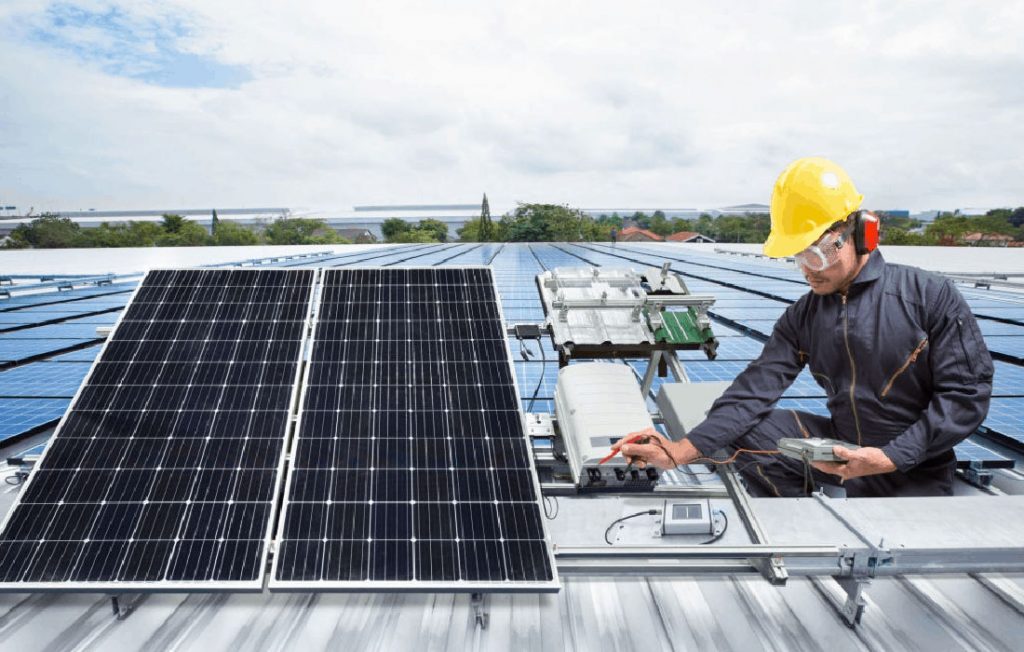
Large solar farms can supply electricity to the grid, while individual businesses may install rooftop systems to generate part of their own electricity requirements.
For companies with suitable facilities, solar installations may provide an opportunity to reduce reliance on conventional energy sources.
However, businesses should carefully evaluate installation costs, expected energy production, maintenance requirements and local regulations before making an investment.
Wind and Other Renewable Technologies
Wind energy is also expanding in suitable markets, particularly where strong wind resources are available.
Other technologies such as hydropower, geothermal energy and biomass may play important roles depending on local conditions.
There is unlikely to be a single solution for every country.
Instead, Asia’s future energy mix will probably include a combination of technologies supported by stronger electricity grids and energy storage systems.
What This Means for Businesses
Companies do not necessarily need to become energy experts, but they should understand how the transition may affect their operations.
Businesses can begin by:
- Reviewing current electricity consumption
- Identifying opportunities to improve energy efficiency
- Understanding available renewable energy options
- Tracking sustainability requirements from customers
- Considering renewable energy when planning future facilities
The Energy Transition Is Also a Business Transition
Renewable energy should not be viewed only as an environmental issue.
It is increasingly connected to competitiveness, investment decisions, supply-chain requirements and long-term business resilience.
Organisations that begin understanding their energy use today may be better prepared for the low-carbon economy of tomorrow.