
A procurement manager at a Malaysian manufacturing company receives three bids for a new equipment contract. The lowest-priced supplier offers familiar machinery but limited information about electricity consumption. Another proposes a more efficient model with a higher purchase price. A third advertises its sustainability credentials but cannot explain how its environmental claims were verified.
Which supplier represents the most responsible purchasing decision?
The answer requires more than comparing quotations or collecting ESG certificates. Businesses need to understand total operating costs, environmental impacts, supplier risks and the quality of evidence behind competing claims.
For companies across Malaysia, Singapore, Indonesia, Thailand, Vietnam and the wider region, sustainable procurement is increasingly a practical business discipline. It connects sustainability objectives to decisions about what organisations buy, whom they buy from and how suppliers perform after contracts are awarded.
What Sustainable Procurement Actually Means
Sustainable procurement means incorporating relevant environmental, social and economic considerations into purchasing decisions throughout the life cycle of goods and services.
The international guidance standard ISO 20400:2017 provides a framework for integrating sustainability into procurement processes. It applies to organisations regardless of their size or industry.
Importantly, ISO 20400 is guidance rather than a certifiable management-system standard. Organisations should not describe themselves as ISO 20400 certified simply because they follow its recommendations.
Responsible purchasing may involve several considerations:
- Environmental: Energy consumption, material efficiency, waste generation, pollution and product durability.
- Social: Worker safety, employment practices, human rights and responsible subcontracting.
- Governance: Supplier transparency, conflicts of interest, anti-corruption controls and purchasing accountability.
- Economic: Total cost of ownership, supply reliability, maintenance requirements and long-term value.
A lower purchase price does not necessarily mean a lower lifetime cost. Equally, a product marketed as environmentally preferable may not be the better option unless its relevant characteristics can be demonstrated.
Why Sustainable Procurement Matters for Asian Businesses
Many Asian companies operate within complex supply chains involving manufacturers, distributors, contractors and service providers across several jurisdictions.
A Singapore-based property company may procure construction materials from multiple countries. A Malaysian food manufacturer may purchase agricultural ingredients, packaging and refrigeration equipment from different suppliers. A Vietnamese electronics producer may depend on specialised components supplied through several intermediary businesses.
These purchasing decisions can influence operating expenditure, production continuity, environmental impacts and exposure to supplier misconduct.
The OECD’s research on responsible business conduct in procurement highlights the importance of integrating environmental, labour and integrity considerations throughout purchasing activities.
For private businesses, the practical lesson is straightforward: sustainability should influence how procurement decisions are made, rather than being assessed only after a supplier has been appointed.
Start With Purchasing Categories, Not Supplier Promises
Companies often begin sustainable procurement by asking every supplier to complete the same ESG questionnaire. That can produce substantial paperwork without identifying the purchasing decisions that matter most.
A more useful starting point is to examine purchasing categories.
For each category, assess:
- Annual expenditure and purchasing frequency.
- Environmental and social risks associated with the product or service.
- Availability of alternative suppliers or technologies.
- Potential operational savings or performance improvements.
- Quality of existing supplier information.
- Influence the company has over supplier practices.
A hotel group might prioritise laundry services, food purchasing and cooling equipment. A manufacturer may focus on raw materials, industrial machinery and outsourced processing. A property developer may prioritise concrete, steel, mechanical systems and construction contractors.
Not every purchase requires the same level of scrutiny. Higher-risk or higher-impact categories deserve more detailed evaluation.
The Sustainable Procurement Measurement Framework
A practical measurement system should distinguish purchasing activity from verified performance.
Asia ESG’s proposed framework uses five measurement areas to help organisations assess whether responsible purchasing policies are producing meaningful outcomes.
| Measurement area | Suggested KPI | Evidence required |
|---|---|---|
| Purchasing coverage | Percentage of relevant procurement spend assessed against defined sustainability criteria | Purchase orders, spend records and completed evaluations |
| Supplier evidence | Percentage of priority suppliers with current, relevant supporting documentation | Assessment records, technical reports and valid certifications where applicable |
| Operational performance | Measured energy, water or material consumption of purchased goods during use | Meter readings, operating logs and technical specifications |
| Corrective action | Percentage of identified supplier issues closed with verified corrective action | Inspection reports, action plans and follow-up evidence |
| Commercial performance | Life-cycle cost compared with a documented purchasing baseline | Invoices, maintenance records and operating cost calculations |
These are proposed management indicators, not mandatory reporting requirements or universally applicable industry benchmarks.
Companies should define the scope, reporting period, calculation method and accountable owner for each KPI before collecting data.
Measure the Denominator Carefully
Consider the KPI measuring the percentage of procurement spend assessed against sustainability criteria.
The numerator should include eligible expenditure that has actually undergone the defined assessment. The denominator should include all expenditure within the stated reporting boundary.
If a company excludes certain purchases, such as emergency procurement or categories without suitable alternatives, it should disclose those exclusions rather than silently removing them.
Similarly, the percentage of suppliers assessed does not automatically indicate the percentage of procurement spend covered. One large supplier can represent more expenditure than dozens of smaller suppliers combined.
How to Evaluate Suppliers Without Relying on ESG Marketing
Supplier selection should combine commercial evaluation with sustainability criteria relevant to the purchase.
For example, a company buying industrial equipment might use the following illustrative evaluation model.
| Evaluation criterion | Illustrative weighting | What to examine |
|---|---|---|
| Total cost of ownership | 30% | Purchase price, energy, servicing and disposal costs |
| Technical performance | 25% | Capacity, reliability, quality and operating requirements |
| Environmental performance | 20% | Measured efficiency, materials and relevant environmental impacts |
| Supplier responsibility | 15% | Labour practices, safety controls and documented risk management |
| Evidence and transparency | 10% | Traceable records, independent test results and verifiable claims |
The weightings are illustrative, not prescribed by ISO 20400. A hospital purchasing critical equipment, for example, may need technical safety and regulatory compliance to operate as mandatory eligibility requirements rather than ordinary weighted criteria.
Procurement teams should establish scoring rules before reviewing bids. They should also document why certain criteria matter for a particular contract.
Separate Mandatory Requirements From Preferences
Legal compliance, essential product safety and required licences should not be treated as optional sustainability advantages.
A supplier that fails a mandatory safety requirement should not compensate for that failure by receiving additional points for recycled packaging or lower electricity consumption.
Only eligible suppliers should proceed to comparative scoring.
Measure What Happens After the Contract Is Awarded
Many procurement programmes measure supplier selection but stop before evaluating the actual results.
A business might report that it purchased more energy-efficient machinery without measuring how much electricity the equipment subsequently consumed.
Another company might announce that it selected a supplier with a responsible sourcing policy without checking whether identified labour or environmental problems were corrected.
These are procurement activities, not necessarily demonstrated sustainability improvements.
Contract management should therefore include relevant performance indicators, reporting intervals, verification responsibilities and corrective-action procedures.
For equipment purchases, organisations can compare metered energy consumption under reasonably comparable operating conditions. For packaging contracts, they can measure material weight per functional unit, while checking whether product protection and damage rates have changed.
For outsourced services, organisations may monitor contractual compliance, worker safety, waste handling or verified remediation of identified problems.
Where outcomes are affected by production volumes, operating hours or product mix, the company should account for those factors before attributing changes to its procurement strategy.
Build a Procurement Evidence Trail
Credible sustainable purchasing claims depend on documentation that connects a decision to its result.
For each material procurement initiative, retain:
- The purchasing baseline: Previous supplier, product specifications, cost and relevant performance measurements.
- The selection criteria: Approved tender requirements, evaluation methods and decision records.
- The supplier evidence: Technical documents, relevant certificates, assessment findings and supporting data.
- The contract: Agreed sustainability requirements, responsibilities and reporting obligations.
- The performance records: Actual operating measurements, inspection findings and supplier reports.
- The review: Calculation methods, exceptions, corrective actions and management approval.
Evidence quality matters as much as document quantity. A supplier’s declaration may be useful background information, but it does not independently verify every claim made in that declaration.
For SMEs that regularly receive customer information requests, Asia ESG’s guide to answering supplier ESG questionnaires with evidence explains how to organise reusable sustainability records.
Common Sustainable Procurement Mistakes
1. Treating Purchasing Spend as Environmental Impact
Spending more money on products described as green does not automatically establish that emissions, waste or resource consumption declined.
Procurement expenditure measures purchasing behaviour. Environmental improvement requires separate evidence.
2. Using Certificates Beyond Their Actual Scope
Certifications can support supplier assessment, but their relevance depends on the issuing scheme, covered activities, validity period and verification scope.
A certified management system does not necessarily establish that every product supplied has superior environmental performance.
3. Ignoring Total Cost of Ownership
A cheaper product may consume more energy, require more maintenance or need replacement sooner.
Procurement teams should evaluate costs over an appropriate service life and document assumptions about usage, maintenance and disposal.
4. Setting Requirements Suppliers Cannot Realistically Meet
Smaller suppliers may lack dedicated ESG departments or sophisticated reporting systems.
Companies can request proportionate evidence, explain minimum requirements and allow reasonable improvement plans where risks can be responsibly managed.
However, serious legal or human rights concerns must not be overlooked merely because a supplier is small.
5. Counting Corrective Actions Before Verification
A supplier promising to address a problem is not the same as a supplier demonstrating that the problem has been resolved.
Corrective-action indicators should distinguish between actions proposed, actions completed and outcomes verified.
A Practical 90-Day Sustainable Procurement Roadmap
| Period | Priority actions | Expected output |
|---|---|---|
| Days 1–30 | Review procurement spending, identify material categories, assess major risks and appoint responsible managers | Purchasing baseline and priority category list |
| Days 31–60 | Develop category-specific criteria, define KPIs, establish supplier evidence requirements and pilot bid evaluation | Supplier assessment model and documented measurement rules |
| Days 61–90 | Apply criteria to selected tenders, establish contract monitoring, collect initial results and review evidence gaps | Initial procurement performance report and improvement plan |
This roadmap is an implementation example, not a guarantee that environmental or social improvements can be demonstrated within 90 days.
Some results, particularly equipment efficiency, supplier remediation and material substitution, require longer measurement periods.
When Responsible Procurement Becomes a Measurable Achievement
Responsible procurement should first be judged by whether it improves business practices and reduces relevant risks or impacts.
Some initiatives may also produce exceptional results. A company might demonstrate an unusually large, clearly defined reduction in purchasing-related material consumption, a substantial verified improvement across a supplier programme, or another distinctive outcome supported by reliable records.
Such achievements require more than internal targets or promotional claims. Organisations should define what was achieved, establish the measurement boundary, preserve original records and determine whether the result is genuinely comparable with other achievements.
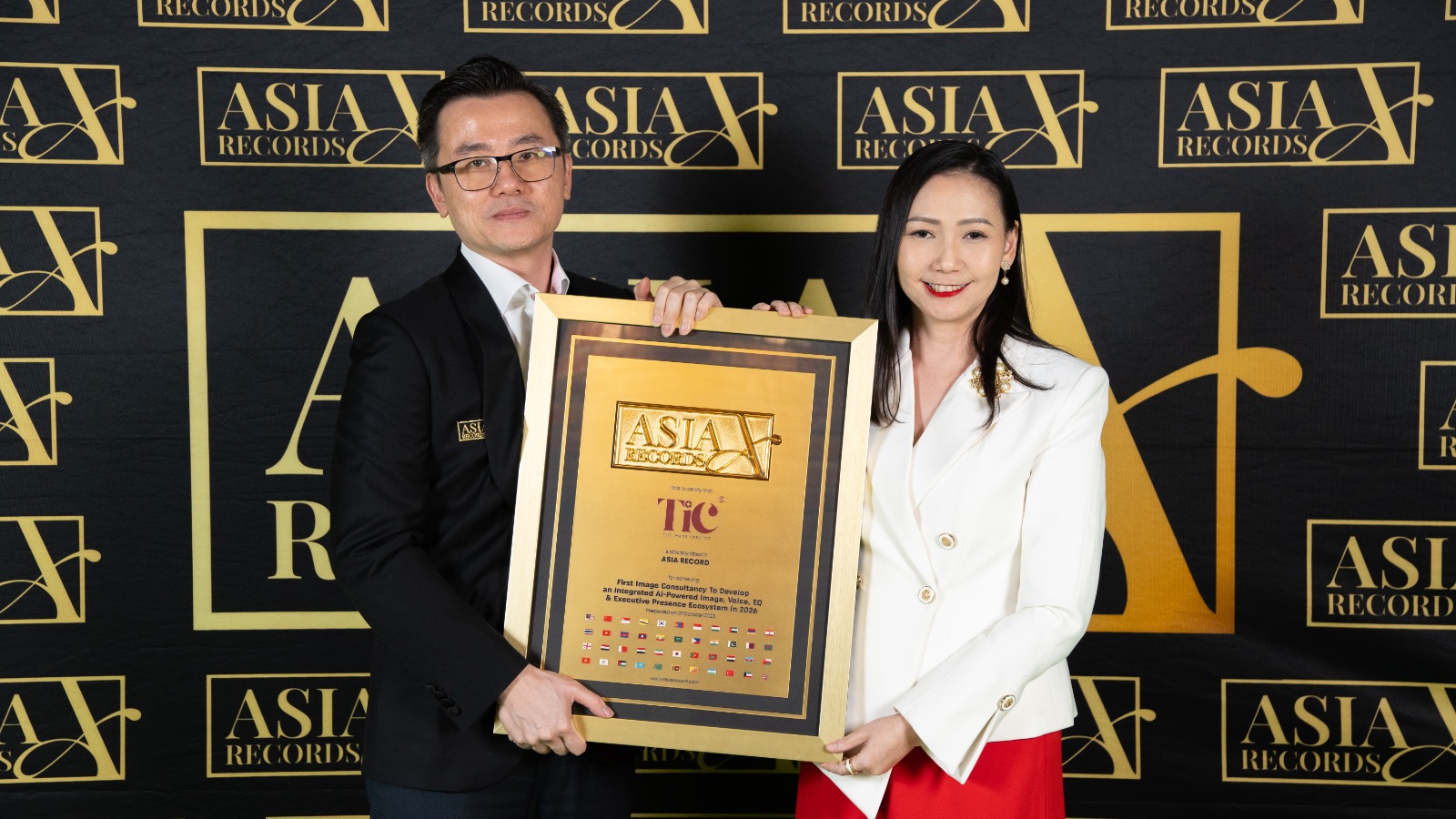
Businesses exploring record recognition in Asia may consider whether an exceptional, objectively measurable result is suitable for assessment through an Asia Record application. Organisations wishing to apply for Asia Record should prepare the proposed achievement, measurement method, date, location and supporting evidence for review.
Acceptance or recognition is not automatic. An achievement must be assessed against the applicable record criteria and available evidence.
Record recognition also serves a different purpose from regulatory approval, sustainability certification or independent assurance of ESG disclosures. It should not be presented as a substitute for any of these requirements.
Making Sustainable Procurement Part of Everyday Business Decisions
The strongest sustainable procurement programmes do not depend on a separate ESG campaign every time a contract is awarded.
They incorporate relevant sustainability criteria into routine purchasing procedures, train decision-makers to evaluate evidence and establish clear accountability for supplier performance.
For Asian businesses, the immediate priority is not to label every purchase sustainable. It is to identify the purchasing decisions that matter, make better-informed choices and measure whether those choices deliver the intended results.
When procurement decisions are supported by reliable records and followed by meaningful performance monitoring, companies can demonstrate progress without relying on broad sustainability claims.
That is the foundation of credible responsible purchasing: decisions that can be explained, outcomes that can be measured and improvements that can be verified.